Studio Manager: What People Think I Do vs What I Actually Do
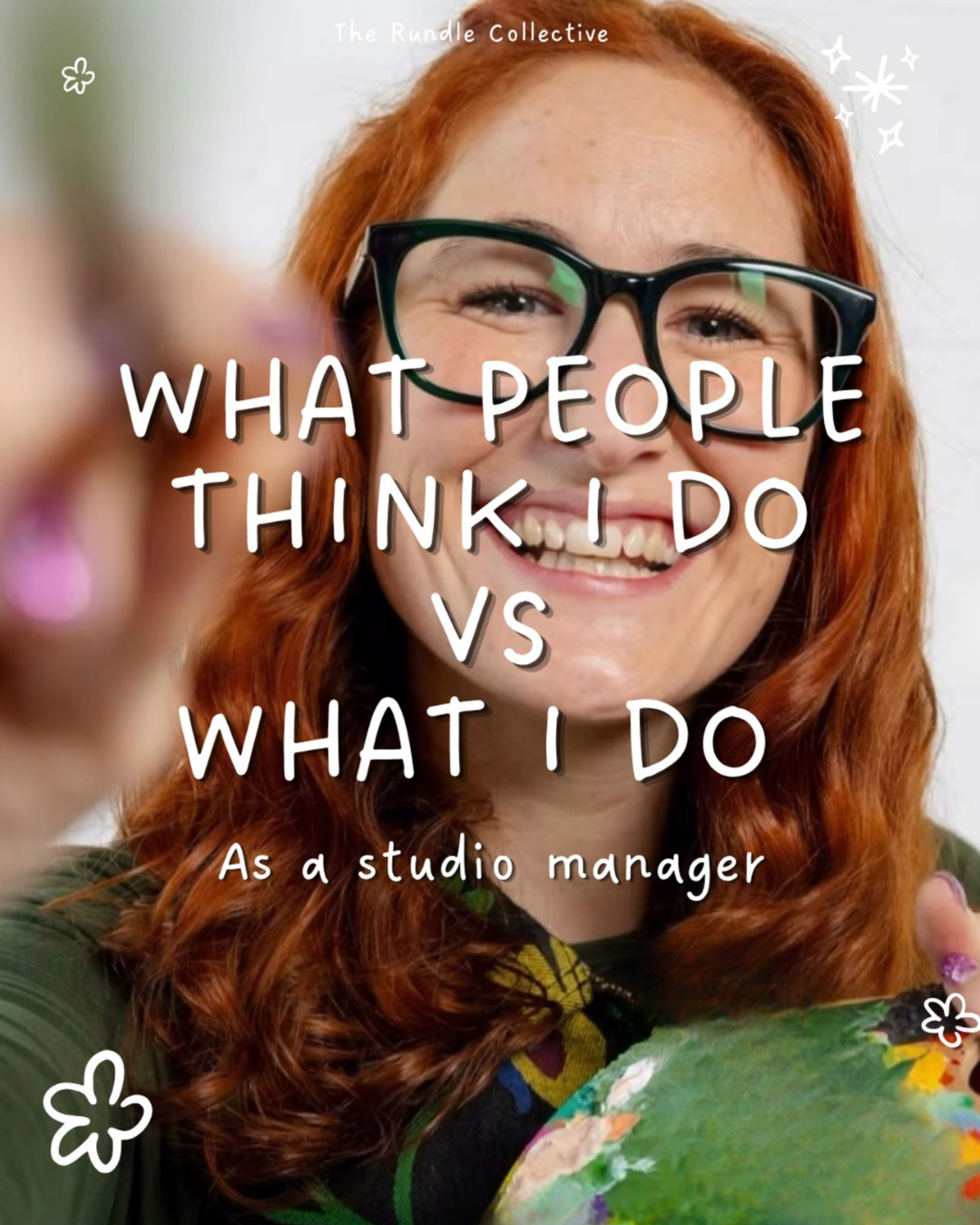
What people think I do:
Walk around a beautiful creative studio.
Chat to artists.
Drink coffee.
Hang paintings.
Post things on Instagram.
Occasionally unlock a door.
What I actually do:
Well…
Where do we start?
Running a creative studio — particularly a shared space with dozens of independent creatives working across completely different disciplines — is equal parts community building, facilities management, admin, events, marketing, problem-solving and putting out approximately 400 tiny metaphorical fires.
Sometimes literal buckets are involved too.
The emails
So. Many. Emails.
Studio enquiries.
Walk-throughs.
Hire enquiries.
Invoices.
Contracts.
Maintenance.
Exhibitions.
Collaborations.
Events.
Suppliers.
Landlords.
Funding.
Partnerships.
And the occasional email asking a question that was answered in the email immediately before it.
Managing the actual building
Creative spaces still have all the incredibly glamorous realities of managing a commercial building.
Air conditioning.
Leaks.
Electricity.
Internet.
Bathrooms.
Bins.
Cleaning.
Access.
Keys.
Doors.
Lights.
Furniture.
Repairs.
Safety.
And working out why something that was definitely working yesterday has suddenly stopped working today.
Managing studio spaces
There's a constant cycle happening behind the scenes.
Enquiries.
Walk-throughs.
Finding the right space.
Agreements.
Move-ins.
Move-outs.
Studio changes.
Access.
Payments.
Waiting lists.
And trying to create the right mix of people and practices within the building.
It's not just about filling a room.
The community matters.
Events and exhibitions
Someone has to coordinate the calendar.
Confirm bookings.
Answer questions.
Prepare spaces.
Manage clashes.
Communicate requirements.
Promote events.
Coordinate exhibitions.
Help with installation.
Make sure people know how to access the building.
Then put everything back together afterwards.
Marketing
Instagram doesn't magically update itself.
There's photographing.
Writing.
Scheduling.
Sharing resident work.
Promoting exhibitions.
Advertising available studios.
Updating the website.
Responding to messages.
Creating newsletters.
And trying to capture what's happening across an entire creative community without spending every waking hour on your phone.
Supporting creatives
This is probably the biggest part — and the hardest to quantify.
Sometimes someone needs help pricing their first exhibition.
Sometimes they're writing a grant.
Sometimes they're trying to find a photographer.
Sometimes they need an introduction to another creative.
Sometimes they've received their first opportunity and have no idea what to do next.
And sometimes they just need someone to say:
“Yep. That's completely normal. Here's what I'd do.”
Creating a supportive creative space requires far more than providing four walls and a desk.
Building opportunities
A huge amount of time goes into asking:
What else can we create for the people here?
Exhibitions.
Residencies.
Collaborations.
Workshops.
Partnerships.
Events.
Mentoring.
Industry connections.
Funding applications.
Not every idea happens.
Not every grant succeeds.
But the work behind those opportunities still happens.
And then there's the completely random stuff
Moving furniture.
Finding someone's parcel.
Cleaning paint off something paint absolutely should not be on.
Trying to identify a mysterious noise.
Explaining the dishwasher.
Taking measurements.
Finding extension cords.
Holding ladders.
Moving plinths.
Answering “Do we have Blu Tack?”
We do.
Probably.
But this is also why I love it
There is something incredibly special about watching a space fill with people making things.
Seeing someone move into their first studio.
Watching collaborations happen because two people met in the kitchen.
Seeing someone's first exhibition open downstairs.
Watching people take their creative practice more seriously because they finally have somewhere that takes it seriously too.
The job isn't really about managing studios.
It's about creating the environment around them that allows creative people to do their thing.
Even if that occasionally means dealing with a leaking ceiling while answering an email, approving an Instagram post and trying to remember where we put the spare HDMI cable.
The Creative Toolkit is a growing collection of practical resources and behind-the-scenes stories from The Rundle Collective — sharing what we've learnt while building and supporting a creative community.